23 Aug 2026
Player Adaptations in Merged Racing and Adventure Games: Integrating Strategy Layers with Puzzle Constraints
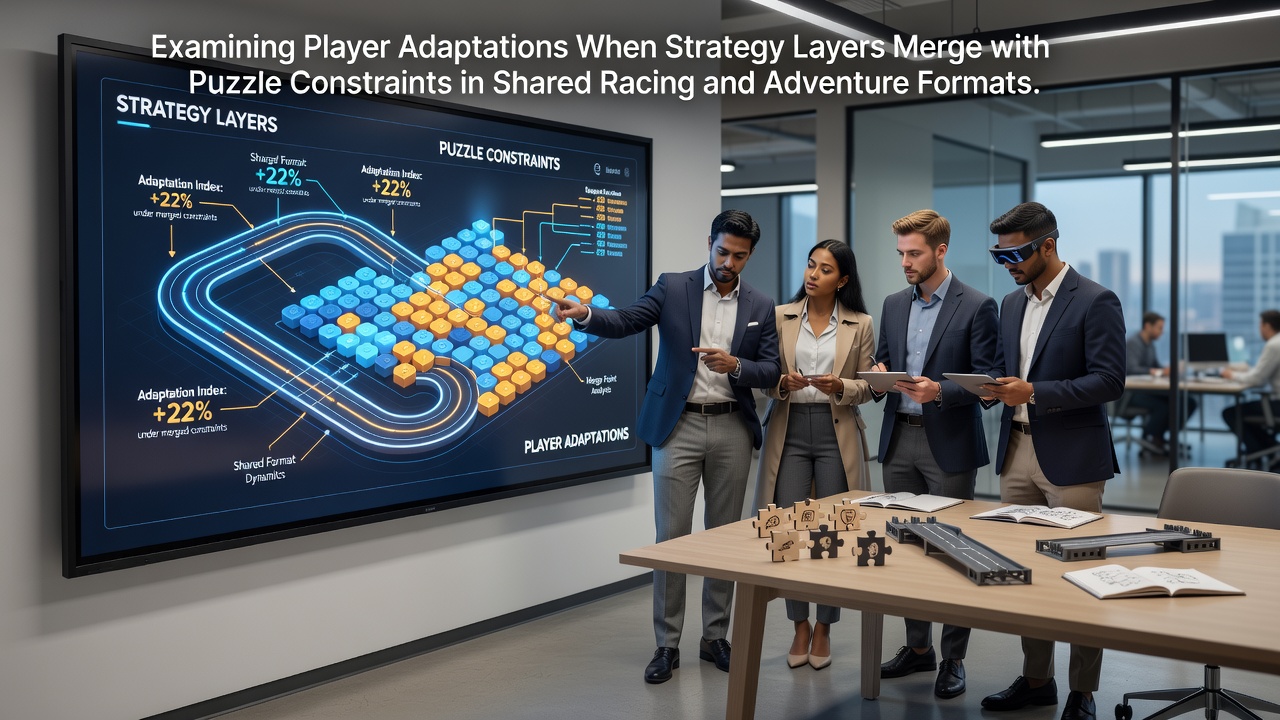
Hybrid game formats that combine racing sequences with adventure exploration continue to incorporate layered strategy systems alongside puzzle constraints, and players respond by developing specific adaptation patterns. These formats require simultaneous management of vehicle control, narrative progression, resource allocation, and spatial problem solving, which leads to observable shifts in decision making and team coordination. Data from industry reports show increased participation in such titles through 2026, with particular attention paid to how individuals adjust their approaches when multiple mechanical layers overlap in shared sessions.
Core Mechanics in Hybrid Racing and Adventure Structures
Racing segments in these games typically involve path selection and timing optimization while adventure components demand exploration of interconnected environments and interaction with non player characters. Strategy layers add elements like unit deployment or long term planning that influence both speed and story outcomes, whereas puzzle constraints introduce locked mechanisms or environmental riddles that must be resolved before progression can continue. Players encounter situations where a single action serves multiple purposes, such as using a vehicle to trigger a switch that also advances a strategic objective. Research from the Entertainment Software Association indicates that titles blending these elements accounted for measurable growth in multiplayer engagement metrics during the first half of 2026.
Observed Player Adjustments to Overlapping Systems
Individuals often begin by prioritizing one dominant mechanic, yet data reveals rapid shifts toward integrated strategies once session length extends beyond initial tutorials. Those who study shared formats note that players allocate cognitive resources differently when puzzle solutions intersect with racing routes, leading to improvised timing adjustments and revised resource use. For instance, a team might delay a speed boost to solve a spatial riddle that unlocks a shortcut, thereby altering the strategic map for all participants. Figures from the European Games Developer Federation reveal that coordination tools within these games see higher utilization rates in August 2026 compared to prior periods, suggesting collective problem solving becomes central to successful adaptation.
Case Examples of Adaptation Patterns
One documented scenario involves groups navigating a desert racing circuit that doubles as an archaeological site, where vehicle upgrades function as both performance enhancers and puzzle keys. Participants learned to sequence actions so that strategic deployment of support units coincided with puzzle resolution windows, reducing overall completion time while maintaining competitive positioning. Another instance from multiplayer adventure maps showed players rerouting entire teams around obstacle courses after discovering that certain puzzle elements reset on a shared timer, forcing synchronized movement and revised strategy calls. These examples illustrate how overlapping constraints prompt iterative testing and real time communication adjustments among participants.
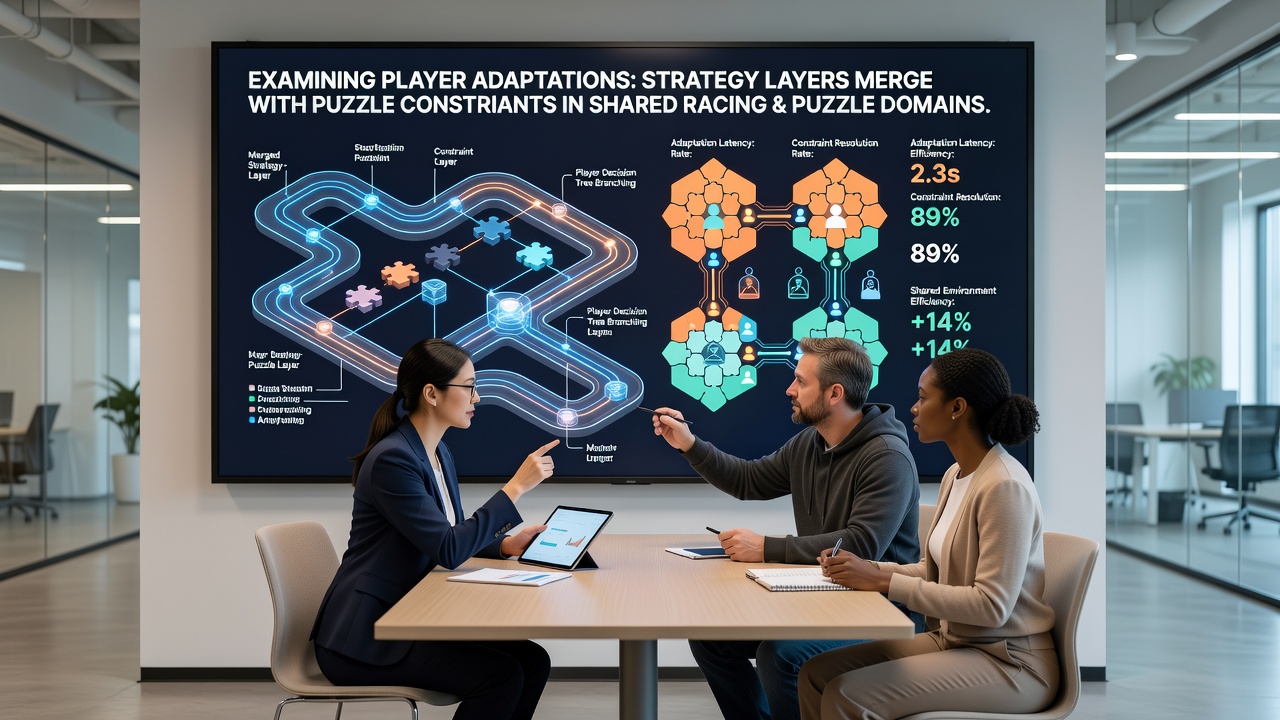
Role of Communication and Tool Use in Shared Environments
Shared sessions amplify the need for clear signaling because strategy decisions affect multiple players simultaneously while puzzle constraints create bottlenecks. Observers note increased reliance on in game markers and voice overlays to convey timing windows or resource priorities, particularly when racing segments leave limited reaction time. Academic studies conducted at institutions such as the University of Melbourne have tracked how teams that establish consistent terminology for combined mechanics achieve higher success rates in repeated playthroughs. This pattern holds across regions, with comparable findings reported in North American and European player samples through mid 2026.
Long Term Learning Curves and Retention Indicators
Retention data suggest that players who persist through early friction points develop reusable mental models for handling merged systems, allowing faster adaptation in subsequent titles. Industry analyses from the Interactive Software Federation of Europe connect sustained engagement with the availability of practice modes that isolate specific overlaps between racing timing, puzzle logic, and strategic planning. Those who examined session logs found that teams returning after breaks demonstrated improved efficiency in reconciling conflicting objectives, indicating transferable skills rather than game specific memorization.
Conclusion
Player adaptations in these merged formats center on flexible prioritization, synchronized communication, and iterative refinement of combined strategies. Evidence from multiple sources shows consistent patterns of behavioral adjustment when racing, adventure, strategy, and puzzle elements occupy the same play space. Continued tracking through late 2026 will clarify how these adaptations evolve as developers refine constraint integration across additional shared experiences.