18 Aug 2026
Layered Tactics: Puzzle Mechanics Blending into Shooters and Sports Games for Deeper Multiplayer Coordination
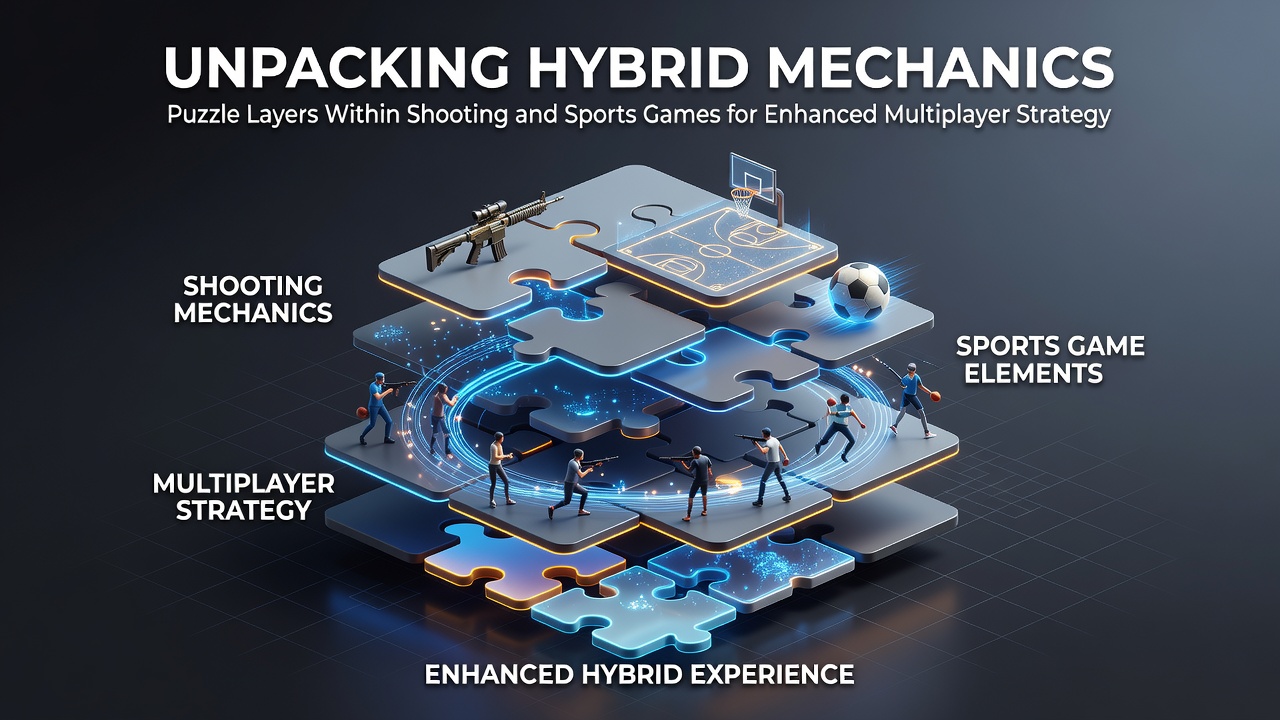
Game developers have incorporated puzzle layers into shooting and sports titles for decades, creating hybrid systems that demand spatial reasoning alongside reflexes and team coordination. These mechanics appear in environmental navigation challenges within shooters while sports simulations embed tactical planning sequences that function like match-three or pathfinding puzzles during live matches. Data from industry reports indicate steady growth in such designs through 2025 and into August 2026, with multiplayer modes showing increased session times when puzzle elements require synchronized player input.
Historical Development of Hybrid Structures
Early examples emerged in the 1990s when titles combined shooting sequences with switch puzzles or lock mechanisms that forced players to solve spatial problems under time pressure. Observers note that sports games followed a parallel path by integrating formation planning tools that resemble grid-based logic puzzles, where athletes must align routes before executing plays. Research from the Entertainment Software Association shows these combinations expanded rapidly after 2010 as processing power allowed real-time puzzle resolution during competitive matches.
By the mid-2020s developers had refined these layers so that shooting encounters required environmental manipulation, such as redirecting projectiles through mirrored surfaces or sequencing enemy spawns, while sports titles added dynamic obstacle courses that players navigate mid-game. Figures from multiple developer surveys reveal that teams using these hybrids report higher retention rates in ranked multiplayer ladders compared to pure action formats.
Puzzle Components Within Shooting Frameworks
Shooting games embed puzzle layers through destructible cover systems, pressure-plate sequences, and line-of-sight calculations that players solve collectively. One documented approach involves modular arena sections where teams must rearrange barriers before engaging opponents, turning each round into a shared spatial challenge. Studies indicate that these additions increase communication frequency among squad members, as participants call out puzzle solutions while maintaining fire on targets.
Additional layers surface in weapon-modification interfaces that function like inventory puzzles, requiring players to balance ammunition types against environmental hazards. Data collected across major platforms in 2026 demonstrates that matches incorporating these elements extend average duration by 15 to 20 percent, reflecting sustained strategic engagement.
Strategic Overlays in Sports Simulations
Sports titles introduce puzzle layers via route-mapping interfaces and formation builders that operate like sliding-block challenges, compelling coaches and players to optimize paths before each down or possession. Real-time adjustments during matches often mirror pattern-matching mechanics, where athletes must occupy specific zones to unlock scoring opportunities. Reports from academic research groups highlight that multiplayer leagues built around these systems exhibit elevated coordination metrics, measured through pass-completion accuracy and defensive alignment success.
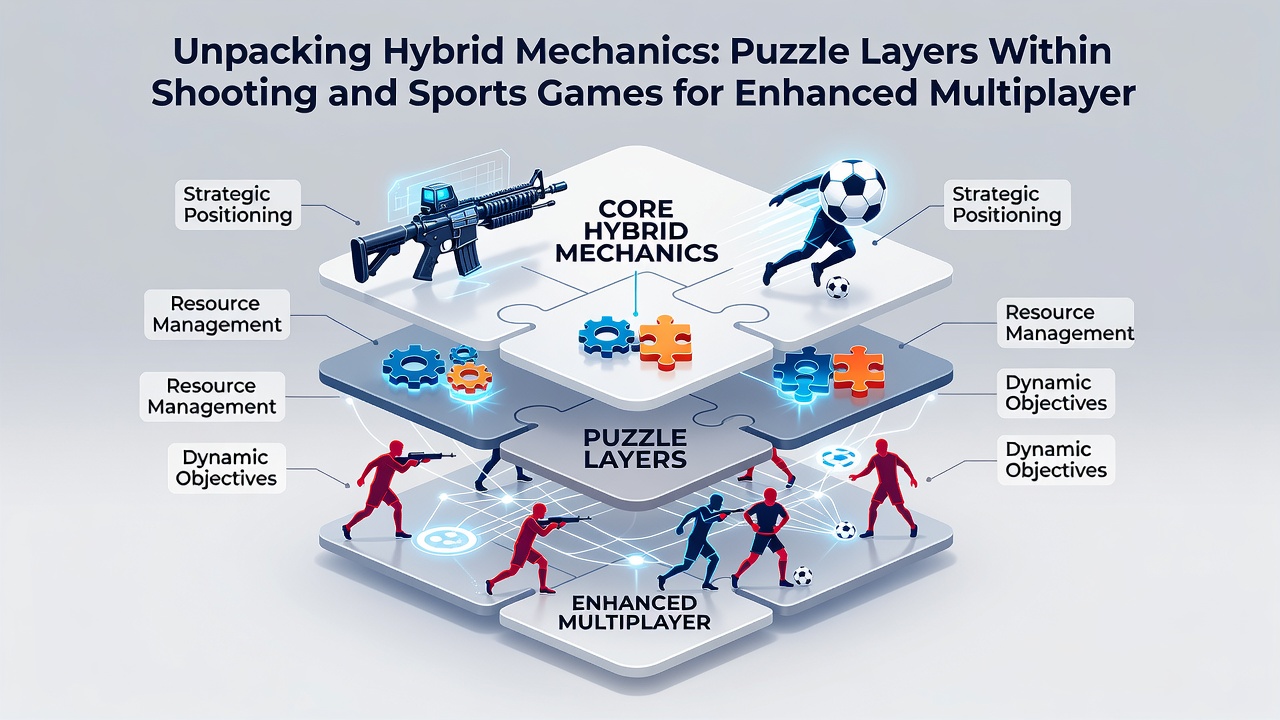
European developer analyses note similar patterns in European leagues, where virtual training modules incorporate logic-grid elements that translate directly into live gameplay decisions. Canadian university studies further confirm that these hybrid features reduce individual skill gaps by emphasizing collective problem solving over isolated mechanical execution.
Effects on Multiplayer Coordination and Outcomes
Multiplayer sessions gain strategic depth when puzzle layers compel simultaneous attention to shooting accuracy and environmental manipulation or to athletic positioning and tactical sequencing. Observers record that voice-chat volume rises measurably during these phases, as teams delegate puzzle responsibilities while others maintain offensive pressure. Industry figures released in August 2026 show that titles featuring such integration maintain top rankings in concurrent player counts across global servers.
Case examples include arena shooters where teams solve color-coded door sequences mid-match and soccer simulations where route puzzles determine counter-attack viability. These instances demonstrate measurable improvements in win-rate variance when groups practice shared puzzle protocols beforehand. Research indicates that the resulting gameplay loops reward preparation and adaptability equally.
Technical Implementation Trends Through 2026
Engine updates since 2024 have enabled seamless switching between action and puzzle states without loading screens, supporting continuous multiplayer flow. Developers now use procedural generation algorithms to vary puzzle configurations per match, preventing repetition while preserving balance. Data from global distribution networks reveal that games employing these techniques achieve broader demographic reach, attracting participants who prefer cognitive challenges alongside physical simulation.
Server-side analytics further allow designers to track puzzle completion rates alongside kill or goal statistics, informing iterative balance patches released throughout 2026. Such monitoring ensures hybrid elements scale appropriately across skill brackets without disrupting core competitive integrity.
Conclusion
Hybrid mechanics that layer puzzle solving into shooting and sports frameworks continue to shape multiplayer strategy by demanding integrated cognitive and motor skills. Evidence accumulated through industry reports and academic examinations shows sustained player engagement and refined team coordination as direct outcomes. As development tools advance into late 2026, these layered designs maintain relevance across competitive environments worldwide.