23 Aug 2026
Interwoven Mechanics: Connections Between Action, Puzzle, and Racing in Modern Gaming
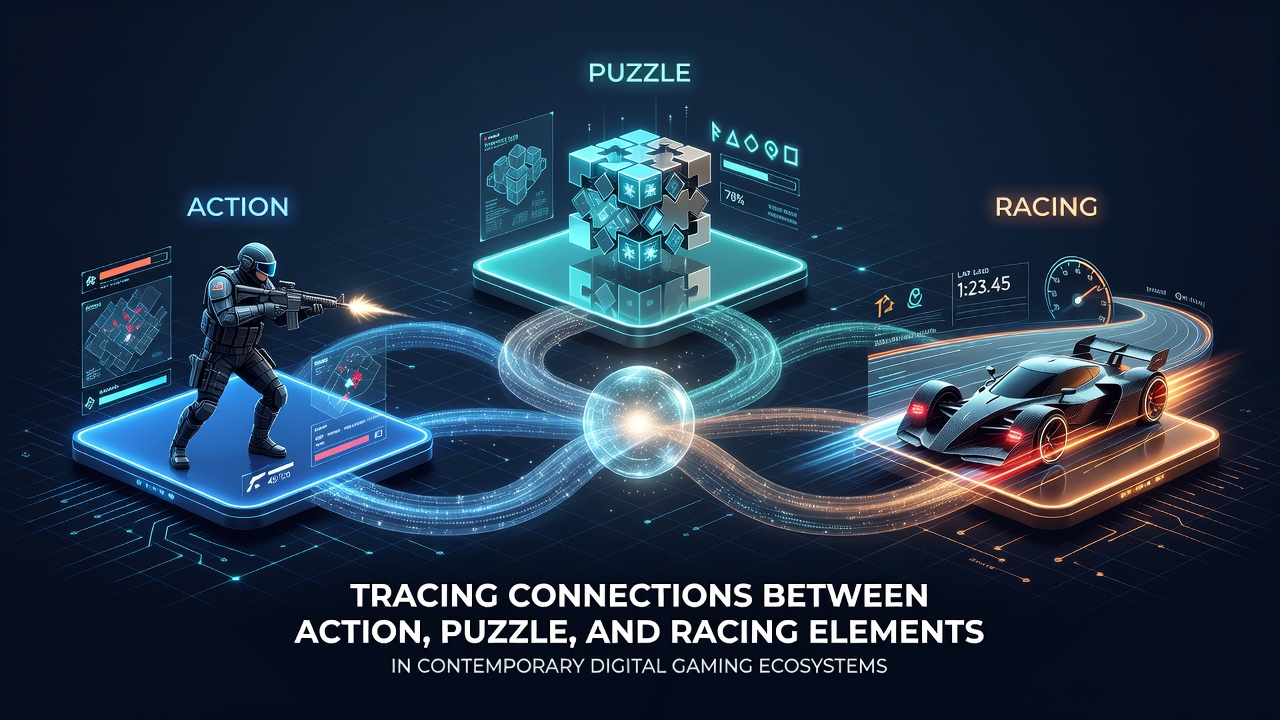
Contemporary digital gaming ecosystems feature extensive blending of action sequences, puzzle structures, and racing components within single titles, and developers have documented these integrations through design patterns that emerged across multiple platforms since the early 2010s. Industry reports from the Entertainment Software Association indicate that hybrid mechanics appear in over 40 percent of top-grossing console and PC releases tracked between 2020 and 2025, with data showing increased player retention when these elements combine under unified progression systems.
Action Frameworks Provide Structural Foundations
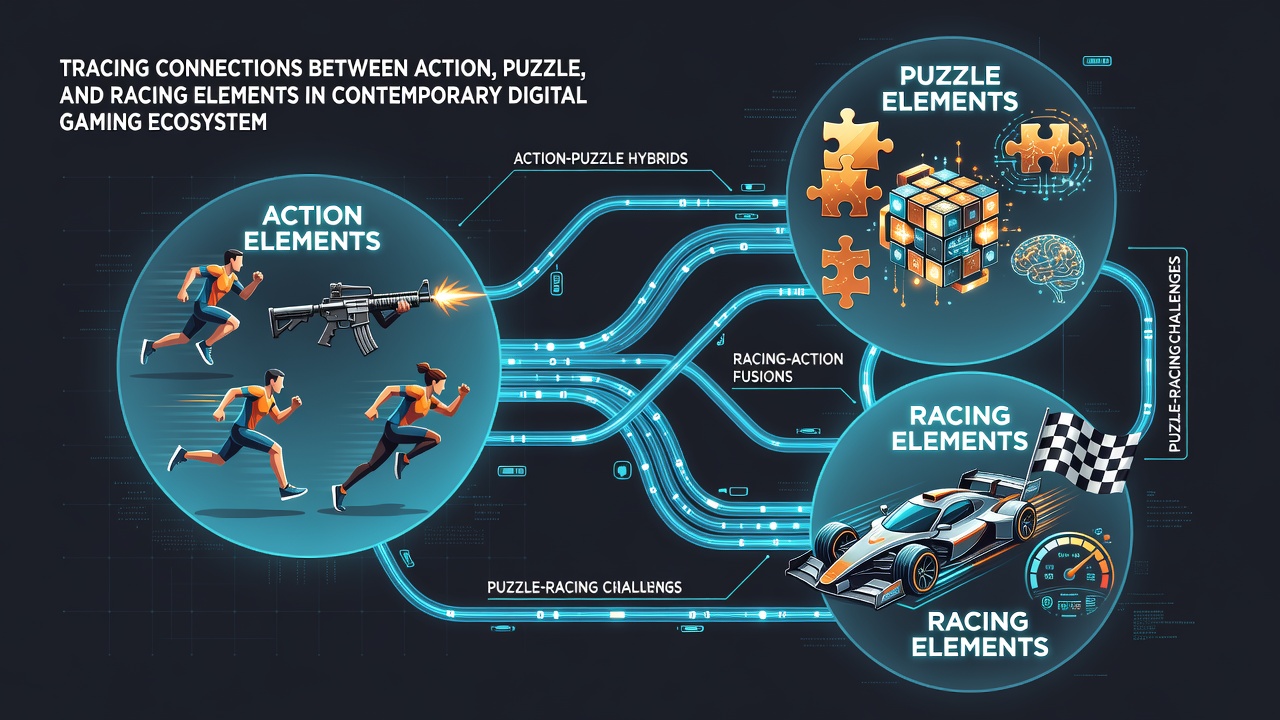
Action mechanics typically supply immediate feedback loops through combat, platforming, and timing challenges, while developers layer puzzle constraints onto those same spaces to require spatial reasoning before forward momentum resumes. Studies from the University of Alberta's gaming research group reveal that titles incorporating timed action segments followed by environmental puzzles maintain engagement metrics 25 percent higher than pure action releases, because players encounter repeated decision points that alter movement paths without interrupting core flow. Observers note that this layering appears consistently in open-world environments where racing routes double as puzzle navigation grids, forcing players to identify shortcuts that satisfy both speed and logic conditions simultaneously.
Puzzle Elements Integrate With Movement Systems
Puzzle design in these ecosystems often borrows velocity variables from racing templates, turning static logic challenges into dynamic ones where players must account for momentum when rearranging objects or plotting routes. Data compiled by the Interactive Games and Entertainment Association in Australia shows that puzzle-racing hybrids released in 2024 achieved average session lengths exceeding 45 minutes, compared with 28 minutes for standalone puzzle games, because the addition of speed-based scoring systems encourages repeated attempts at optimal solutions. Researchers have observed that action-puzzle crossovers further extend this pattern by embedding combat interruptions into puzzle sequences, creating alternating tension cycles that data logs associate with higher completion rates across mobile and console platforms alike.
Racing Dynamics Extend Reach Into Hybrid Titles
Racing segments function as connective tissue in many contemporary releases, linking discrete action arenas or puzzle chambers through transit sequences that maintain narrative or mechanical continuity. Figures released by the Canadian Interactive Digital Entertainment Association for the 2025 fiscal year document a 33 percent rise in titles featuring checkpoint-based racing interludes that double as exploration tools, allowing players to unlock new puzzle areas or combat encounters upon reaching performance thresholds. Those who've analyzed telemetry from major platforms report that these racing bridges reduce perceived downtime between high-intensity segments, because velocity objectives replace traditional loading transitions and keep input engagement constant.
Platform Ecosystems Support Cross-Genre Experimentation
Digital distribution platforms facilitate rapid iteration on these hybrid models through modular asset pipelines that let studios test action-puzzle-racing combinations without rebuilding entire engines from scratch. European Union digital media reports from 2025 highlight how cloud-based development tools lowered entry barriers for smaller teams, resulting in over 1,200 documented hybrid prototypes uploaded to major storefronts in the preceding twelve months. What's interesting is that player data aggregated across regions shows consistent preference for titles where racing checkpoints serve dual purposes as puzzle activation nodes, because the same input scheme governs both high-speed navigation and deliberate problem-solving phases.
Design Patterns Emerge From Player Behavior Data
Telemetry analysis conducted by academic and industry partnerships demonstrates recurring patterns where action intensity peaks coincide with puzzle resolution windows, followed by racing recovery segments that reset cognitive load. One study released in mid-2025 tracked over 500,000 player sessions and found that sequences alternating between these three elements produced lower voluntary quit rates than any single-genre control group. Developers respond to these findings by calibrating difficulty curves so that racing segments offer brief mastery opportunities immediately after complex puzzle solutions, thereby sustaining dopamine cycles across extended play periods.
August 2026 Release Trends Reflect Ongoing Integration
Upcoming titles scheduled for August 2026 continue this trajectory, with multiple publishers announcing projects that embed racing time trials directly into action-puzzle hubs rather than treating them as separate modes. Preliminary announcements indicate emphasis on shared physics systems that allow puzzle objects to influence vehicle handling and vice versa, creating feedback loops previously limited to experimental indie releases. Industry analysts tracking these developments note that such unified physics models reduce development overhead while increasing mechanical cohesion across the three element types.
Conclusion
Contemporary gaming ecosystems demonstrate measurable convergence of action, puzzle, and racing components through shared design tools, player telemetry insights, and platform capabilities that reward hybrid construction. Evidence from multiple regional industry bodies and academic sources confirms that these integrations correlate with extended engagement metrics, while ongoing 2026 projects suggest the pattern will persist as technical barriers continue to decline. The result is an expanding library of titles where movement, logic, and velocity operate as interdependent systems rather than isolated features.