3 Nov 2026
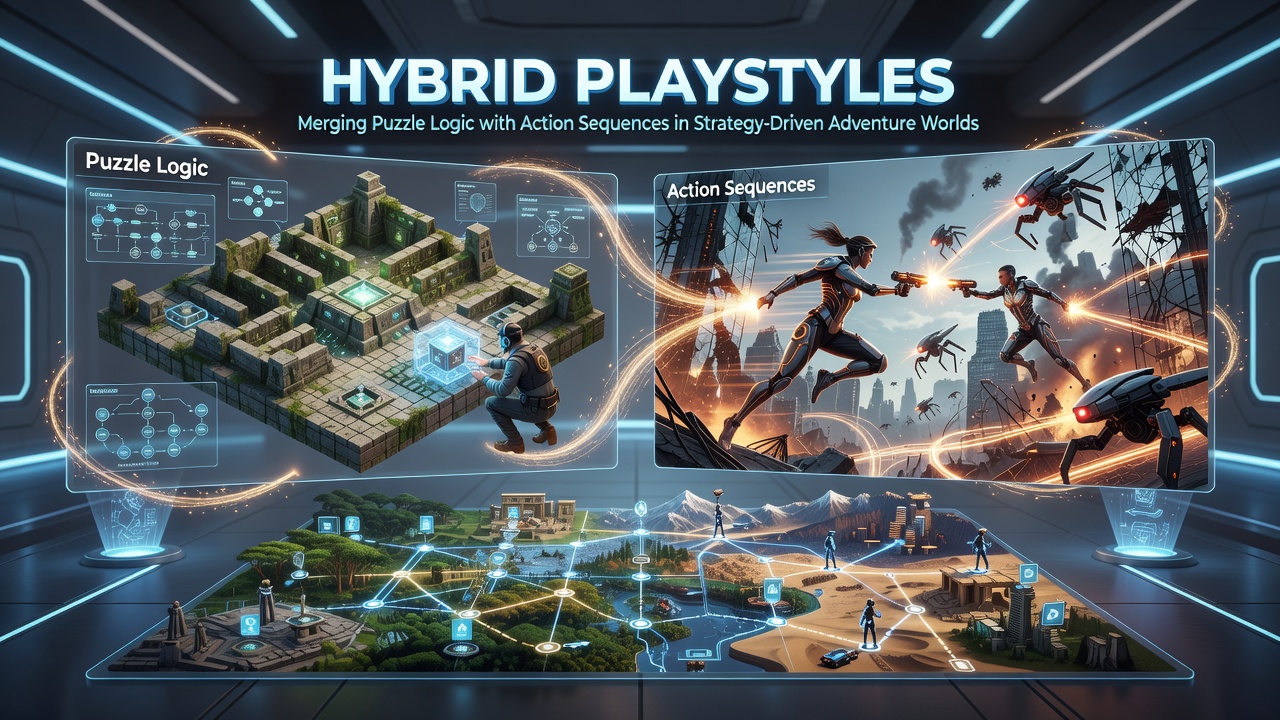
Hybrid Playstyles: Merging Puzzle Logic with Action Sequences in Strategy-Driven Adventure Worlds
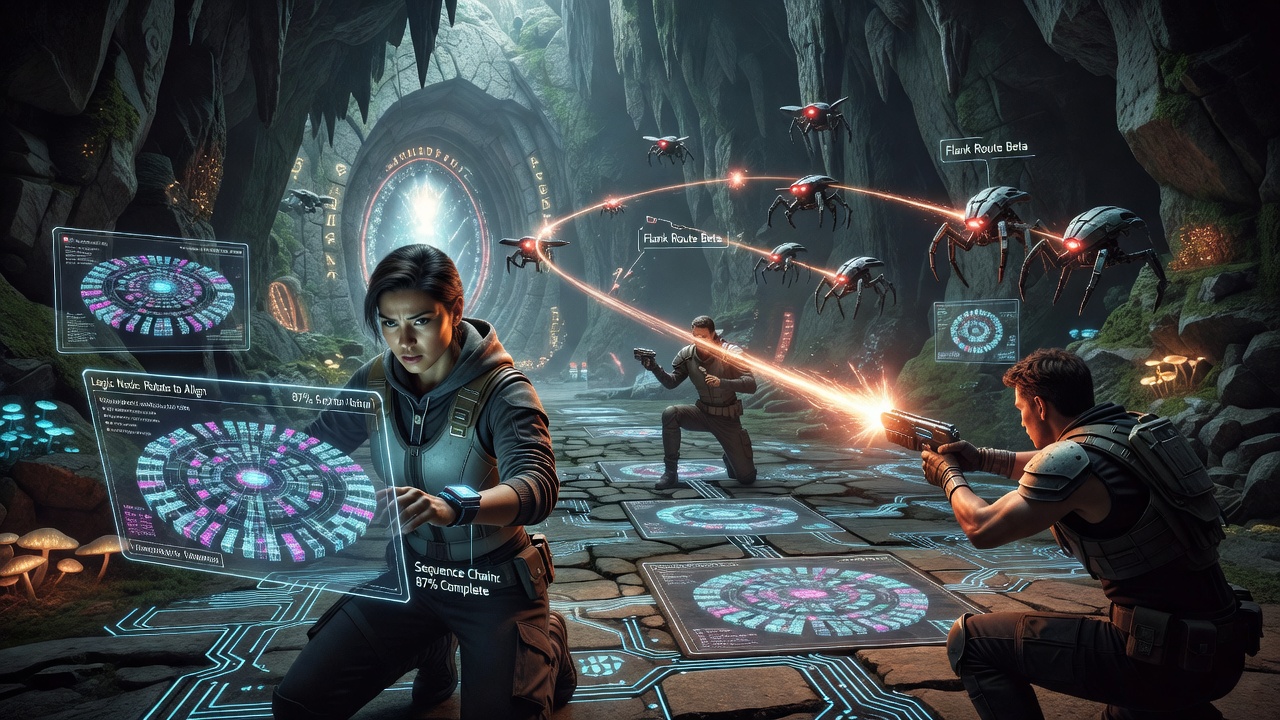
Game developers have increasingly integrated puzzle logic with action sequences across strategy-driven adventure titles, creating playstyles that require players to alternate between analytical problem-solving and real-time physical execution, and this trend has gained momentum through 2026 with several major releases incorporating layered mechanics that blend both elements seamlessly.
Industry reports from organizations like the Entertainment Software Association highlight how such hybrids appear in titles where environmental manipulation serves dual purposes, allowing players to rearrange objects for logical solutions while simultaneously managing threats that demand timing and positioning skills, and data from player engagement studies show retention rates rising when these elements interconnect rather than remain isolated.
Core Mechanics in Hybrid Designs
Strategy-driven adventure worlds often feature systems where puzzle elements draw from classic logic frameworks such as pattern recognition, spatial arrangement, and resource allocation, yet these sit alongside combat or navigation sequences that test reflexes and decision speed under pressure, according to analyses from the Interactive Software Federation of Europe.
Designers achieve this merge by embedding action triggers within puzzle structures, for instance requiring a player to calculate an optimal route through obstacles that also involves dodging dynamic hazards, and this approach appears in multiple series where strategic planning extends beyond turn-based choices into continuous movement challenges.
Player Interaction Patterns
Observers note that players in these environments frequently switch cognitive modes, using deductive reasoning to map out solutions before executing them through precise inputs, and research from Canadian institutions tracking gameplay telemetry indicates average session lengths extend when puzzle resolution directly feeds into action payoffs without loading screens or mode switches.
One documented case involves a 2025 title update that introduced timed puzzle variants where logical sequencing determined enemy spawn patterns, forcing adaptive strategies during active sequences, and similar mechanics have since appeared in expansions released around November 2026 that emphasize cross-genre flow.
Technical Implementation Trends
Engine advancements allow real-time feedback loops between puzzle states and action variables, such as altering physics properties mid-sequence based on prior logical deductions, and figures from academic papers presented at international game conferences reveal reduced cognitive load when visual cues unify both play modes rather than segregating them.
Developers have applied these techniques across platforms, with strategy layers managing inventory or environmental states that influence upcoming encounters, while action components provide immediate consequences that loop back into new puzzle opportunities, creating sustained engagement cycles supported by metrics from European game analytics firms.
Examples Across Recent Titles
Several releases in the strategy-adventure category demonstrate this hybrid approach through integrated level design, where a single area might require decoding a mechanism to unlock pathways that then become arenas for coordinated movement and targeting, and updates scheduled near November 2026 have expanded these features with procedural elements that vary puzzle complexity alongside action intensity.
Take one studio that modified core systems to let player choices in logic branches affect enemy behaviors in subsequent action phases, resulting in replay data showing higher completion rates across difficulty settings, according to aggregated reports from trade associations tracking global sales and playtime statistics.
Conclusion
Hybrid playstyles continue to shape strategy-driven adventure worlds by uniting puzzle logic with action sequences in ways that leverage both analytical and kinetic player skills, supported by ongoing technical refinements and industry data through late 2026, and these designs maintain relevance as developers refine interconnections between the two elements across new and updated titles.