8 Sep 2026
Hybrid Mechanics Reshaping Cost-Free Browser Play Environments
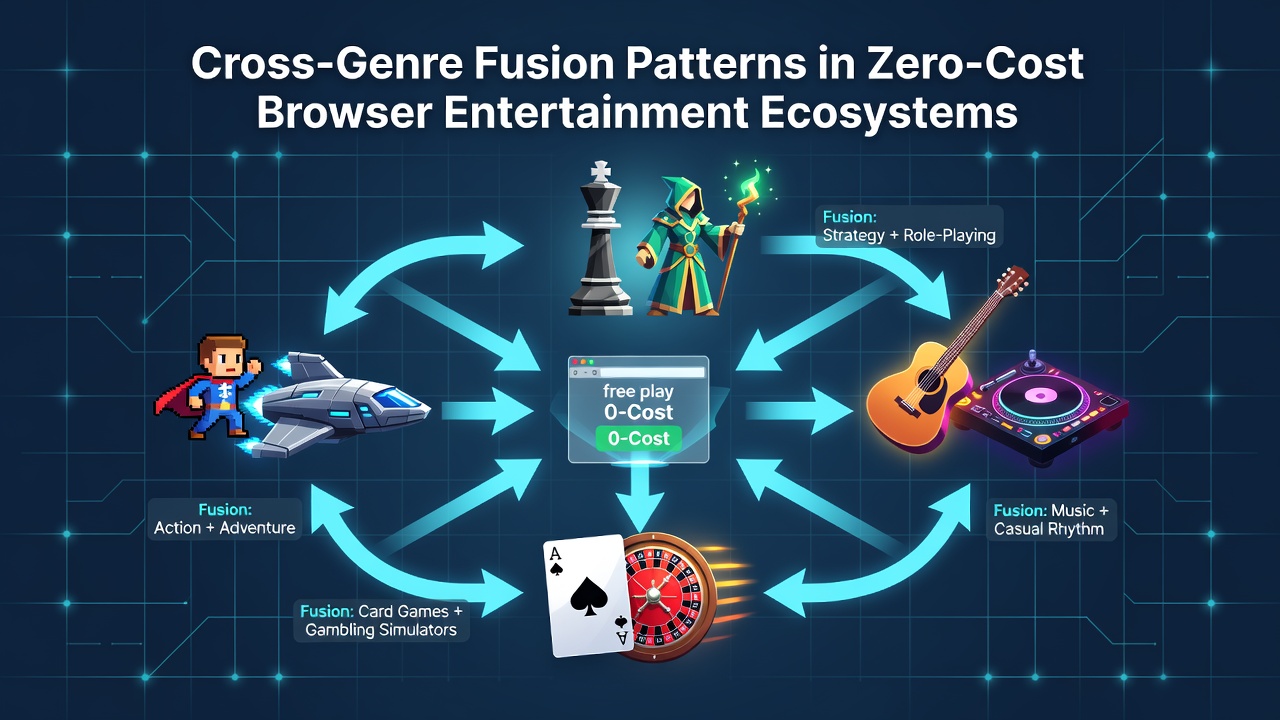
Cross-genre fusion patterns appear frequently across zero-cost browser entertainment ecosystems where developers combine elements from strategy, action, puzzle, and racing categories into single experiences, and data from industry tracking shows these integrations have increased steadily since the mid-2020s. Researchers at various institutions have documented how players encounter mechanics that once belonged to separate genres now operating together in seamless loops that keep engagement high without requiring downloads or payments.
Patterns Observed in Current Ecosystems
Analysts tracking browser-based platforms note that strategy titles often incorporate real-time racing segments while puzzle components appear embedded within action sequences, creating structures where progression depends on switching between modes fluidly. According to reports compiled by the Entertainment Software Association, such fusions represent a significant portion of new releases in the no-cost segment as of September 2026, with developers citing reduced development overhead as one driver behind the trend.
Those who study player behavior data find that these combinations extend session lengths compared to single-genre titles, and figures from multiple analytics firms indicate average playtimes rising when racing timers or puzzle constraints overlay core strategy loops. The result is an environment where users navigate hybrid systems without clear boundaries between traditional categories.
Technical Foundations Enabling Fusion
Browser technologies including WebGL and advanced JavaScript frameworks allow developers to layer disparate mechanics efficiently, and studies from academic sources have examined how these tools reduce the barriers that once separated genre implementations. One examination published through university research channels highlighted cases where racing physics engines run alongside turn-based decision trees in the same session, something that required separate applications in earlier eras.
Platform providers have adjusted their distribution models accordingly, and evidence from digital marketplace overviews shows increased availability of titles that advertise multiple genre tags rather than single classifications. This shift aligns with broader changes in how entertainment reaches users across regions including North America, Europe, and parts of Asia.
Regional Variations in Adoption
European regulatory frameworks around digital content have influenced how these fused experiences are presented, with guidelines from bodies such as the European Commission shaping disclosure practices for interactive features. In contrast, Canadian industry associations have focused on accessibility standards that encourage broader mechanic variety within free platforms.
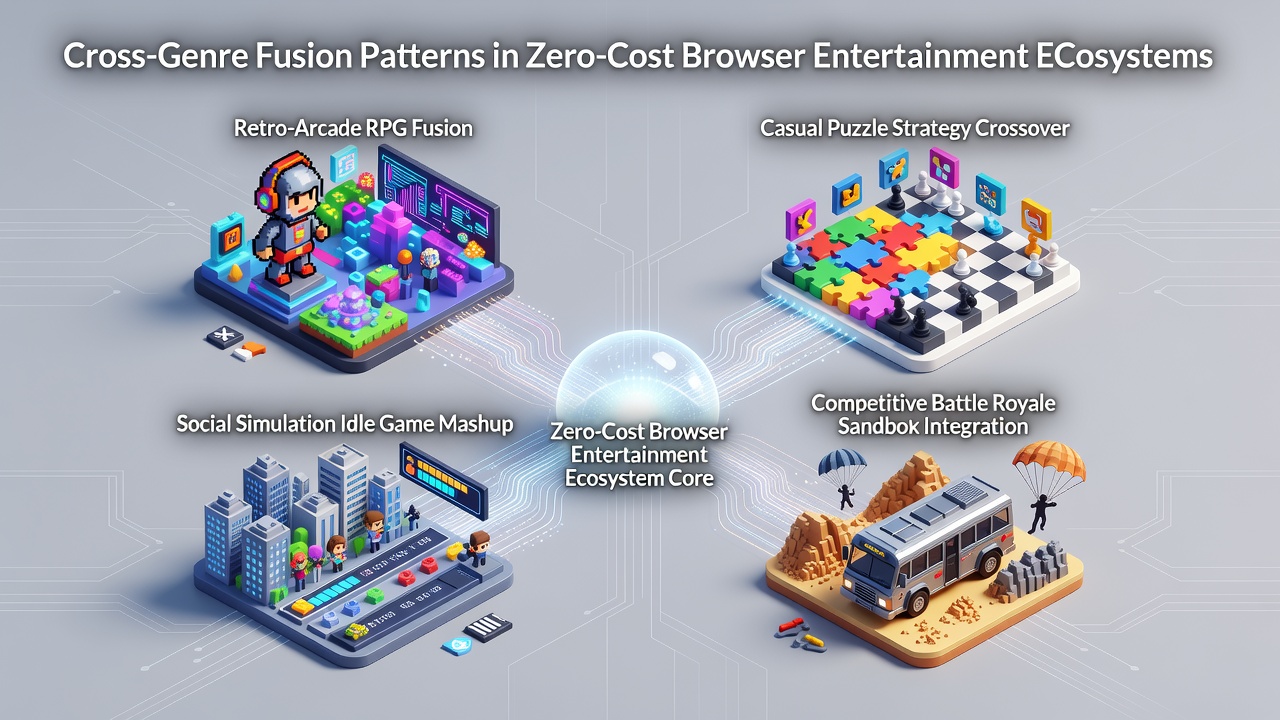
Australian research groups have compiled datasets showing similar patterns emerging in local markets, where developers blend simulation elements with competitive racing to appeal to diverse audiences. These geographic differences demonstrate that fusion approaches adapt to local infrastructure and policy environments rather than following a uniform global template.
Player Interaction With Blended Systems
Observations from multiple tracking studies reveal that participants often develop strategies that account for shifting genre demands within single sessions, switching between planning phases and reflex-based challenges as the experience dictates. Data compiled through academic partnerships indicates that such adaptability correlates with higher retention rates across free browser offerings.
Examples include titles where puzzle resolution feeds into larger action frameworks, and racing outcomes determine resource allocation for subsequent strategic phases. Those monitoring these ecosystems report that successful integrations maintain clear visual and audio cues to signal mode transitions, preventing confusion while preserving momentum.
Conclusion
Cross-genre fusion continues to define development priorities within zero-cost browser entertainment systems, supported by technical capabilities and shaped by regional considerations. Reports from organizations including the Entertainment Software Association and various research institutions document ongoing evolution in how mechanics combine, with patterns likely to persist as platforms mature further into the decade.