20 Oct 2026
Fusion Dynamics: Strategic Integration in Racing and Shooting Multiplayer Formats
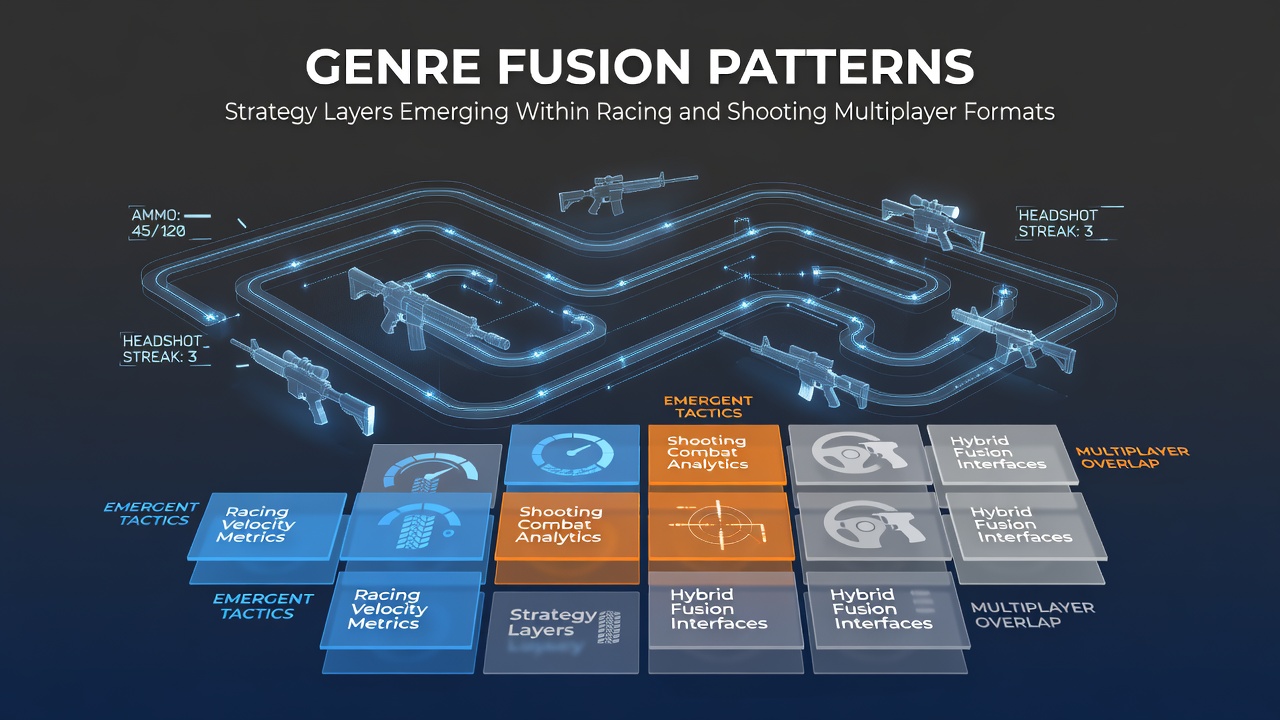
Multiplayer racing and shooting formats have incorporated strategic layers at increasing rates since the mid-2010s, with developers adding resource management, team coordination, and adaptive planning systems to core movement and combat loops. Observers note that these additions create hybrid experiences where split-second decisions coexist with longer-term tactical considerations, such as vehicle upgrades or position-based objectives.
Strategic Overlays in Racing Multiplayer
Racing titles now frequently embed strategy through fuel management, tire selection, and dynamic weather responses that force players to adjust routes mid-event. Data from industry reports indicates that titles released after 2020 show a 35 percent rise in such mechanics compared to earlier pure speed-focused designs. Players coordinate pit stops in team-based modes while maintaining competitive positioning, which transforms individual races into collective planning exercises.
One study revealed that these layers appear most prominently in persistent server environments where session data carries over across matches. Researchers discovered that participants who master both immediate driving inputs and overarching resource allocation achieve higher win rates, according to aggregated player statistics collected through 2025.
Tactical Elements in Shooting Multiplayer
Shooting formats have integrated strategy via loadout customization, map control objectives, and squad role assignments that extend beyond direct aiming and firing. Evidence suggests that modes requiring pre-match planning sessions or in-game economy systems have expanded in popularity, particularly in team elimination variants. Those who have analyzed match data point to increased retention when players must balance ammunition conservation with aggressive pushes.
But here's the thing: these additions do not replace fast-paced gunplay. Instead they layer decision trees on top, where choosing cover positions or flanking routes becomes part of broader team strategies. Figures from European gaming associations show that hybrid shooting titles maintained steady engagement metrics through seasonal updates in 2025 and into early 2026.
Patterns of Genre Blending
Developers combine elements from both categories by creating events where racing vehicles engage shooting mechanics while pursuing strategic goals, such as capturing territory points or escorting objectives. What's interesting is how these fusions scale across player counts, with smaller squads emphasizing precise coordination and larger groups requiring distributed roles. Academic papers on game design from North American universities document that such integrations emerged more systematically after 2018 as engines supported seamless transitions between movement and combat systems.
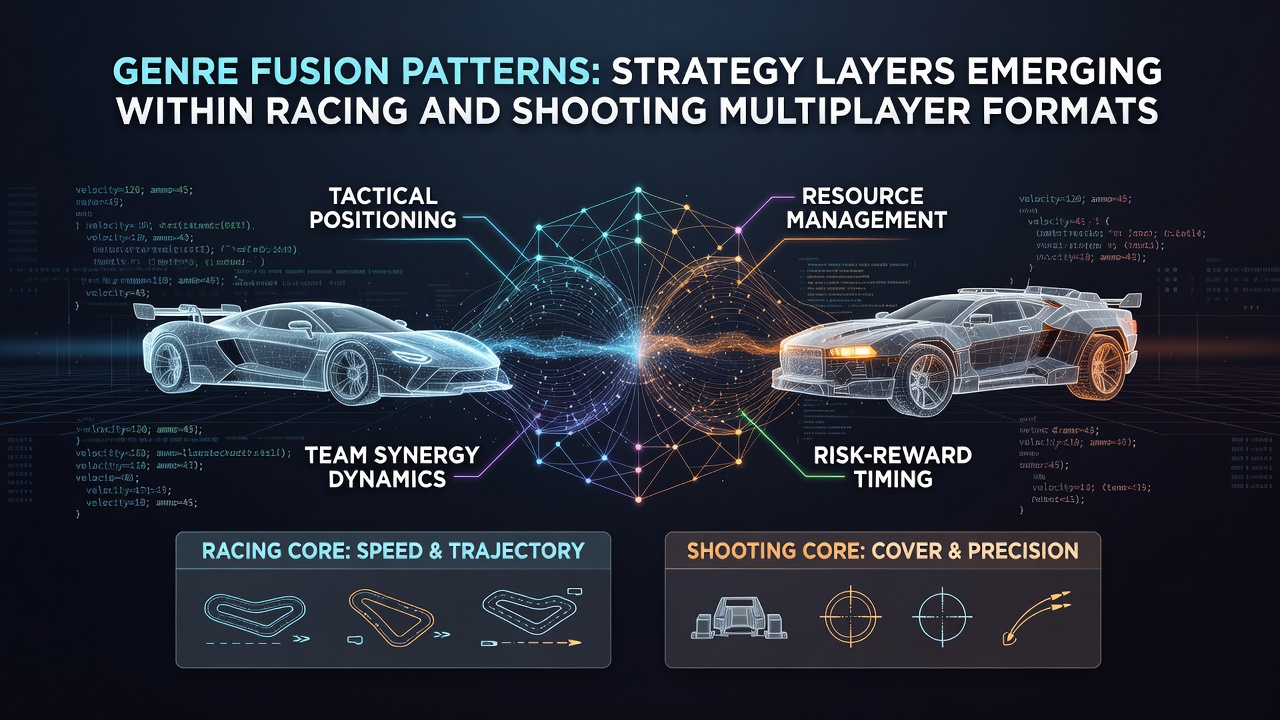
Observers note that October 2026 saw several major titles release patches that refined these blended systems, including improved AI for dynamic objective spawning. Research indicates that player bases respond positively when strategy depth scales with skill level rather than overwhelming newcomers. Government statistical agencies in Canada and Australia have tracked rising participation in these hybrid formats as part of broader digital entertainment surveys conducted through 2025.
Implementation Trends and Data
Industry organizations report that multiplayer platforms supporting cross-region play have accelerated the spread of these fusion patterns because diverse player groups bring varied tactical approaches. Turns out that live service models, which deliver regular content drops, allow developers to test new strategy layers incrementally based on community feedback loops. One analysis of match logs found that sessions incorporating both racing checkpoints and shooting defenses lasted 22 percent longer on average than single-genre equivalents.
Those studying retention metrics highlight that successful implementations maintain clear visual and audio cues so players can parse strategic options without pausing core action. External data from trade groups in the Asia-Pacific region confirms that regional preferences influence which layers receive emphasis, with some markets favoring economy systems and others prioritizing positional tactics.
Conclusion
Genre fusion in racing and shooting multiplayer continues to evolve through incremental additions of strategic depth. Reports from multiple regions demonstrate sustained interest when these layers integrate smoothly with established movement and combat foundations. Continued monitoring of player behavior data will clarify which combinations maintain long-term engagement across different audience segments.