6 Oct 2026
Digital Playgrounds: How Browser Gaming Continues to Evolve in 2026

Browser gaming has expanded steadily over the past decade as developers create accessible titles that run directly in web browsers without requiring downloads or installations, and data from industry reports shows continued growth in user engagement across multiple regions. People access these experiences on desktops, laptops, and mobile devices through standard internet connections, which allows immediate play sessions that fit into varied daily routines while developers focus on HTML5 and WebGL technologies to deliver smooth performance.
Platform Accessibility and Global Reach
Users in different countries connect to browser platforms hosted by independent studios and larger publishers alike, and figures from the Entertainment Software Association reveal that millions engage with these titles each month through portals that categorize content by genre and skill level. Observers note that schools and community centers sometimes incorporate such games into educational programs because they operate without specialized hardware, which reduces barriers for participants who might otherwise lack access to dedicated gaming equipment.
Game developers release updates frequently to maintain compatibility with evolving browser standards, and this practice ensures titles remain functional across Chrome, Firefox, Edge, and Safari environments. Research from academic institutions in Canada indicates that browser-based options attract diverse age groups because the entry point stays simple while mechanics range from basic matching puzzles to complex strategy simulations that reward repeated play.
Genre Variety and Player Engagement Patterns
Action sequences, puzzle challenges, and racing formats appear alongside multiplayer lobbies where participants coordinate in real time, and reports compiled by the Interactive Games and Entertainment Association in Australia document how these categories draw steady audiences throughout the year. Developers design progression systems that unlock new levels or cosmetic items through gameplay alone, which keeps interest high without external purchases.
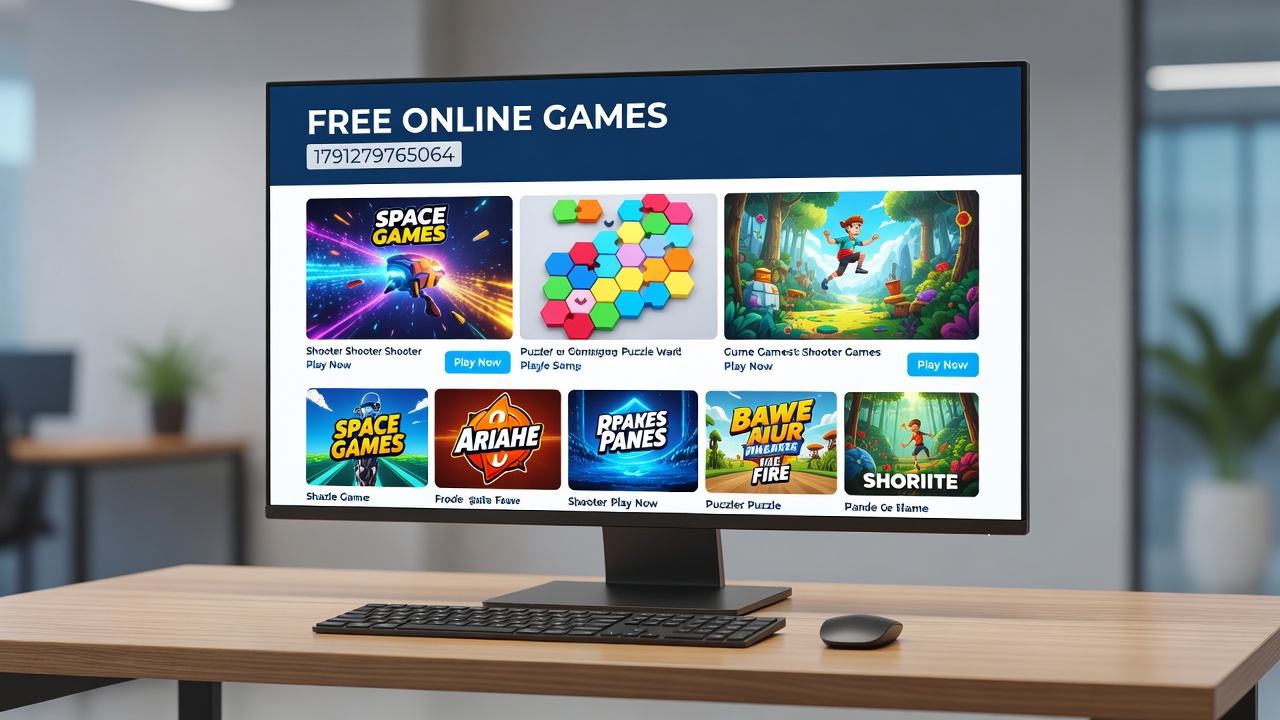
Seasonal events often coincide with calendar dates such as October 2026, when themed content appears in many titles to mark holidays or community milestones, and participation metrics collected by research firms show spikes in login numbers during these periods. Those who study player behavior observe that short session lengths appeal to individuals balancing work and leisure, while longer campaigns satisfy dedicated enthusiasts who return over multiple days.
Technical Developments and Security Considerations
Engine improvements have allowed richer graphics and sound design within browser constraints, and industry analyses highlight how WebAssembly integration speeds up processing for more demanding simulations. Security protocols now include encrypted connections and regular vulnerability checks that protect user data during extended play, according to guidelines issued by European digital safety organizations.
Account systems sometimes track progress across devices, yet many experiences function fully without registration, which preserves privacy for casual visitors. Data collected by university researchers in the United States demonstrates that these flexible access models contribute to higher retention rates compared with applications that mandate lengthy setup procedures.
Community Features and Social Elements
Leaderboards, chat functions, and cooperative modes foster interaction among strangers who share similar interests, and case studies from European gaming networks illustrate how such features build repeat engagement. Tournaments organized around specific titles draw participants from multiple continents, with results published on dedicated pages that update in real time during events.
Moderation tools help maintain positive environments by filtering inappropriate language and reporting disruptive behavior, while developers release patches to address balance issues raised by community feedback. Figures released by trade groups in Asia indicate that social components often extend playtime because players form groups that schedule joint sessions across time zones.
Conclusion
Browser gaming in 2026 reflects ongoing technical refinement and expanding audience diversity as more individuals discover no-installation options that deliver varied entertainment. Regulatory frameworks in several countries continue to shape age-appropriate content labeling, and developers respond by refining accessibility features that accommodate different input devices and connection speeds. Continued innovation in web standards promises further enhancements to visual fidelity and interaction depth, which keeps the format relevant amid competing entertainment choices.